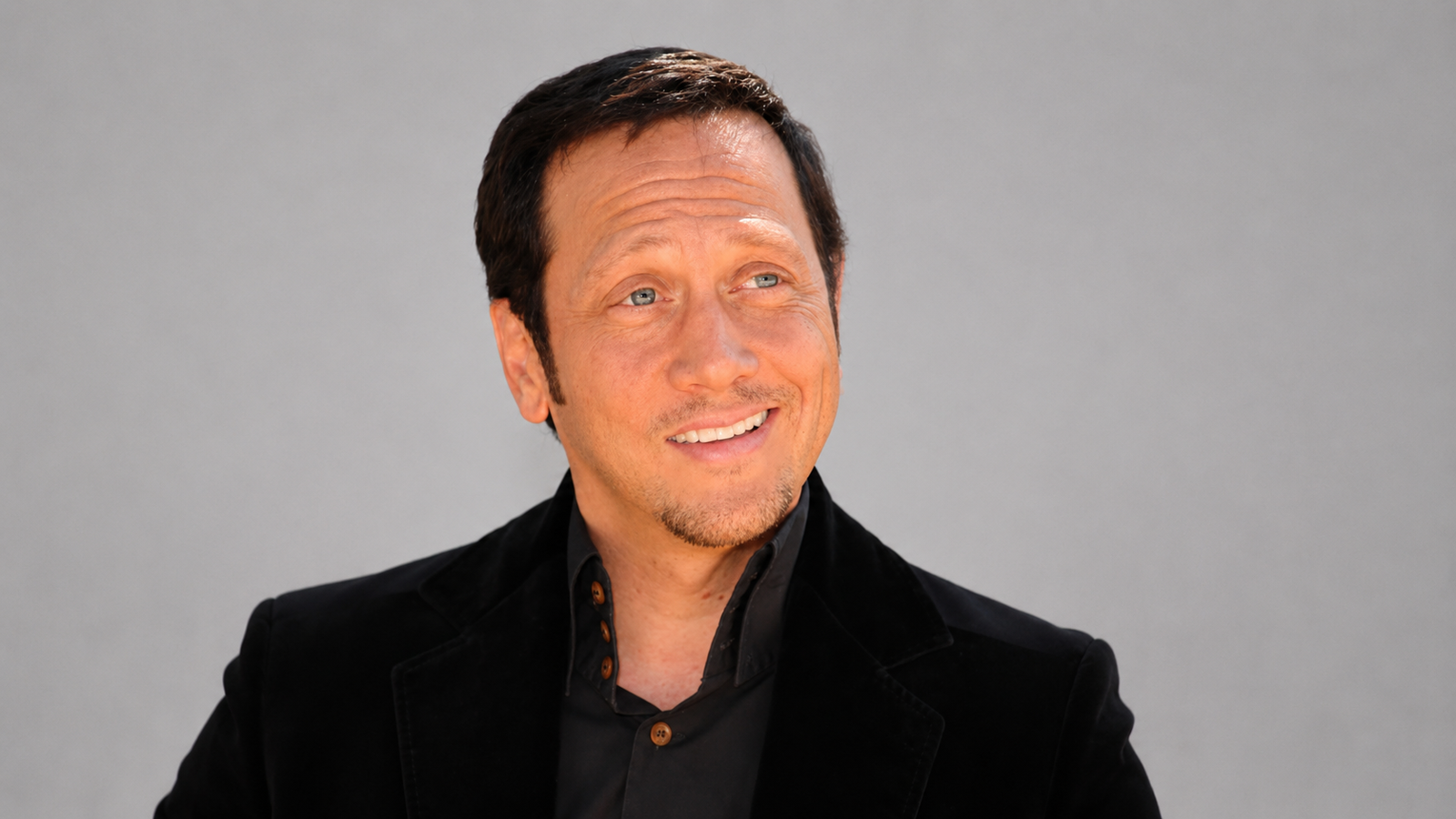
Rob Schneider is an American actor, comedian, screenwriter, and director who has built a long-standing career in stand-up comedy, television, and Hollywood films. Known for his energetic performances, exaggerated characters, and signature catchphrases, he became one of the recognizable faces of American comedy during the 1990s and early 2000s. His journey from local stand-up clubs in California to Saturday Night Live and later blockbuster comedy films reflects both persistence and adaptability in a highly competitive entertainment industry.
Over the years, Schneider has remained a consistent figure in comedy, even as trends in Hollywood have shifted. While his work has received mixed critical reception, his cultural impact and commercial success in comedy films remain significant. This article explores his early life, rise to fame, film career, television work, personal life, and lasting influence in the entertainment world.
Early Life and Background of Rob Schneider
Rob Schneider, born Robert Michael Schneider on October 31, 1963, in San Francisco, California, grew up in nearby Pacifica. His upbringing in a culturally diverse household, with a Jewish father and Catholic mother, exposed him to different perspectives early in life. This multicultural background later influenced his comedic style, which often blends observational humor with exaggerated character portrayals.
During his school years, Schneider showed an early interest in performance and comedy. He attended Terra Nova High School, where he began experimenting with humor as a form of expression. After graduating, he briefly enrolled at San Francisco State University, but his passion for comedy quickly took priority over formal education. The vibrant Bay Area comedy scene played a crucial role in shaping his early aspirations.
By performing in small clubs and local venues, Schneider began developing the stage presence that would later define his career. His early stand-up routines focused on everyday life, cultural quirks, and personality-driven humor, helping him stand out in a competitive comedy landscape.
Rise in Stand-up Comedy and Early Career Breakthrough
Rob Schneider’s professional comedy career began in the 1980s when he started performing regularly at stand-up clubs across California. His ability to create distinct characters and deliver high-energy performances helped him gain attention within the local comedy circuit. These early performances laid the foundation for his later television and film success.
His big break came when he was featured on HBO’s “Young Comedians Special,” a platform known for introducing rising comedy talent to national audiences. This exposure allowed him to connect with influential figures in the entertainment industry. It also marked his transition from local performer to nationally recognized comedian.
Following this success, Schneider began writing for television, further expanding his skill set. His early career was defined by versatility, as he balanced stand-up performances with writing gigs, preparing him for his eventual breakthrough in mainstream television comedy.
Saturday Night Live Breakthrough and National Recognition
Rob Schneider’s career reached a turning point when he joined the writing team of Saturday Night Live in 1988. His talent quickly earned him a place as a featured cast member by 1990, making him part of one of the most influential comedy shows in American television history.
During his time on SNL, Schneider created several memorable characters that became fan favorites. One of his most iconic roles was “The Richmeister,” an office worker known for humorously commenting on people making photocopies. Another popular character was “Tiny Elvis,” a comedic and exaggerated impersonation that showcased his physical comedy skills.
His years on SNL not only boosted his visibility but also connected him with other rising comedians such as Adam Sandler, Chris Farley, and David Spade. These relationships later played a major role in shaping his film career, especially in ensemble comedy projects.
Transition to Hollywood Films and Supporting Roles
After leaving Saturday Night Live in 1994, Schneider transitioned into Hollywood films. His early film roles included appearances in major productions such as Home Alone 2: Lost in New York, Demolition Man, and Judge Dredd. Although many of these were supporting roles, they helped him gain experience and visibility in the film industry.
His unique comedic style made him a natural fit for ensemble comedy films. He frequently appeared alongside Adam Sandler in movies such as The Waterboy and Big Daddy. These collaborations became a defining feature of his film career, as he became a recurring member of Sandler’s comedic circle.
This period marked Schneider’s evolution from television comedian to Hollywood actor. His growing presence in films demonstrated his ability to adapt his comedic talents to different formats and audiences.
Major Movies, Box Office Success, and Leading Roles
Rob Schneider achieved mainstream film success with the release of Deuce Bigalow: Male Gigolo in 1999. The film became a box office hit and established him as a leading comedic actor. Its success led to a sequel, further solidifying his presence in Hollywood comedy.
He followed this with starring roles in films such as The Animal and The Hot Chick, both of which highlighted his physical comedy and willingness to take on unconventional roles. These movies often relied on exaggerated humor, transformation-based storylines, and situational comedy.
Despite mixed critical reviews, Schneider’s films performed well commercially during this era. His collaboration with the Adam Sandler film group continued through projects like Grown Ups and 50 First Dates, ensuring his continued relevance in mainstream comedy cinema.
Comedy Style, Characters, and Signature Humor
Rob Schneider’s comedy style is defined by exaggerated characters, physical humor, and memorable catchphrases. He often portrays socially awkward, eccentric, or over-the-top personalities that emphasize humor through absurdity rather than realism.
One of his most recognizable contributions to pop culture is the phrase “You can do it!”, which became a recurring joke in multiple Adam Sandler films. This simple yet effective catchphrase became closely associated with his comedic identity and remains widely recognized by fans.
His performances often rely on improvisation and energetic delivery, allowing him to create memorable moments even in supporting roles. While some critics have described his humor as repetitive, his distinct style has ensured a loyal audience over decades.
Television Work and Streaming Era Projects
Beyond films, Rob Schneider has maintained a strong presence in television. In 2012, he starred in the CBS sitcom Rob, which was loosely based on his personal life. Although the show had a short run, it showcased his ability to lead a television series.
He later expanded into streaming platforms with Real Rob, a semi-autobiographical series that featured his real-life wife and family. The show blended scripted comedy with real-life elements, offering a more personal and unconventional storytelling format.
These television projects allowed Schneider to explore different creative directions while maintaining his comedic identity. They also reflected the broader industry shift toward streaming platforms and personal storytelling in entertainment.
Personal Life, Family, and Public Image
Rob Schneider’s personal life has often attracted media attention, particularly due to his family relationships. He is the father of singer Elle King, who has established her own successful career in the music industry. Their relationship has occasionally been discussed publicly, adding another layer to his public persona.
Schneider has been married multiple times and is currently married to Patricia Azarcoya Schneider. Their relationship has been featured in his creative work, especially in Real Rob, which incorporates elements of their family life into its narrative structure.
In addition to his family life, Schneider’s public image has been shaped by his outspoken views on various social and political topics. These opinions have generated both support and controversy, influencing how audiences and the entertainment industry perceive him.
Read more: Rob Schneider
Legacy, Cultural Impact, and Career Reflection
Rob Schneider’s legacy in entertainment is closely tied to the era of sketch comedy and early 2000s Hollywood comedies. His work on Saturday Night Live and subsequent film career helped define a style of humor that emphasized exaggerated characters and situational absurdity.
Although critical reception of his films has been mixed, his box office success and cultural recognition remain significant. Many of his characters and catchphrases continue to be referenced in discussions of classic comedy films from the late 1990s and early 2000s.
Today, Schneider continues to perform stand-up comedy and participate in entertainment projects, maintaining a long and active career. His journey reflects both the evolution of American comedy and the challenges of sustaining relevance across changing entertainment trends.
Conclusion
Rob Schneider’s career is a testament to persistence, adaptability, and a distinct comedic identity that has remained recognizable for decades. From his early days in stand-up comedy to his breakthrough on Saturday Night Live and success in Hollywood films, he has built a career defined by memorable characters and consistent audience engagement.
While his work has sparked both admiration and criticism, his influence on comedy films and sketch-based humor remains undeniable. Schneider continues to perform and create content, proving that his place in the entertainment industry is built on longevity, experience, and a unique comedic voice that has stood the test of time.