Introduction: The Life Behind the Legend
The story of Griselda Blanco, widely known as the Cocaine Godmother, has fascinated the world for decades. Her life, filled with power, violence, and criminal ingenuity, made her one of the most notorious figures in the cocaine trade. Yet behind the headlines and dramatizations lies a story of personal relationships that shaped her life, including the life of Dario Sepúlveda, her third husband and the father of her youngest child. Dario’s story is often overshadowed by Blanco’s notoriety, but his life, marriage, and tragic death provide a human perspective on the brutal world of organized crime. His experiences reveal the price of loyalty, love, and family amid the chaos of the drug trade.
Griselda Blanco and the Miami Cocaine Wars
Blanco’s influence on the cocaine trade was revolutionary. Born in Colombia in 1943, she rose from poverty to build a drug empire that stretched from Medellín to Miami. By the late 1970s and 1980s, her operations dominated Miami, shaping the violent cocaine wars that would engulf the city. She was known for her extreme methods, smuggling ingenuity, and willingness to employ violence to maintain control. Blanco’s empire was built on fear, strategy, and brutality, cementing her as one of the most feared figures in narcotics history. Her actions not only influenced law enforcement strategies but also left a lasting imprint on popular culture, inspiring documentaries, books, and dramatic adaptations.
Amid this world, Blanco cultivated alliances and relationships that helped sustain her power. Her ability to navigate dangerous situations while expanding her influence made her unique among crime figures, and her story offers insights into both criminal enterprise and the social dynamics of cartel leadership. Through her, audiences can understand the combination of ruthlessness and intelligence required to survive — and thrive — in the violent landscape of the cocaine trade.
Dario Sepúlveda: A Key Figure in Blanco’s Life
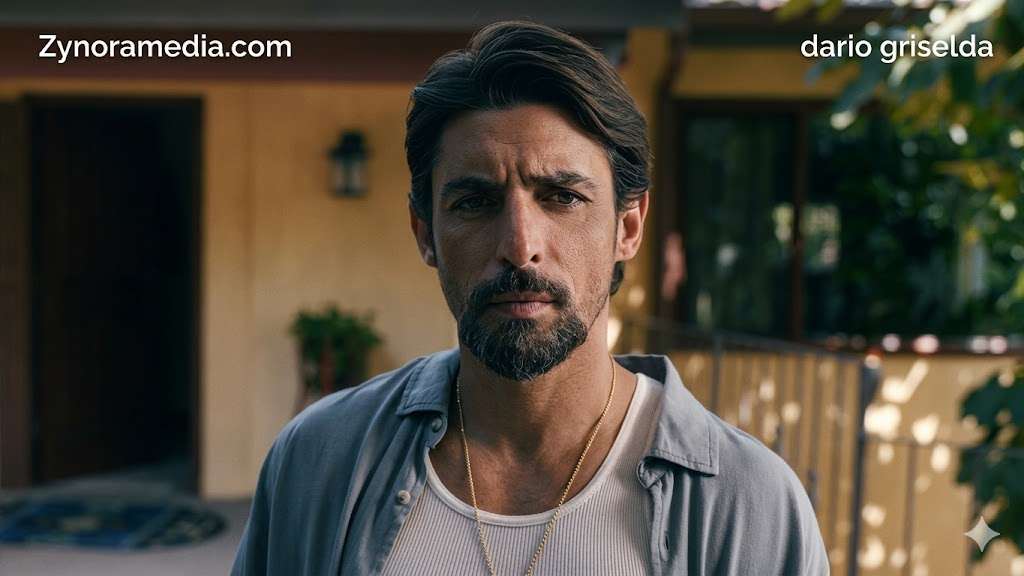
Dario Sepúlveda was not a cartel leader in his own right, but his connection to Blanco placed him at the heart of one of history’s most notorious criminal networks. Initially sent from Colombia as a hitman to confront Blanco, he became captivated by her and eventually married her. This marriage was not merely romantic; it also intertwined him with Blanco’s criminal operations, her power, and the constant dangers that came with them. Together, they had a son, Michael Corleone Blanco, whose name reflected the blend of real-life crime and cultural references to mafia fiction.
Dario’s role in Blanco’s life exemplifies how individuals close to cartel leaders are often drawn into the criminal world, whether willingly or by circumstance. His experiences reveal the tension between personal desires — for love, family, and safety — and the inexorable pull of criminal ambition and violence. As Blanco’s husband, Dario experienced both proximity to power and exposure to danger, illustrating the human cost of relationships in cartel environments.
Life Together: Navigating Love and Crime
The relationship between Dario and Griselda was complex. On one hand, their union brought them together as family, with Dario participating in Blanco’s inner circle and helping care for their son. On the other hand, their lives were shaped by the constant threat of violence and betrayal. The pressures of Blanco’s empire strained the marriage, as Dario sought to protect his family from the dangerous realities that surrounded them.
Conflicts arose over issues of loyalty, safety, and the upbringing of their son. While Blanco maintained strict control over her empire and family, Dario appeared to value distance and protection. This tension between familial affection and the violent world they inhabited set the stage for the ultimate tragedy of his life. Their relationship demonstrates how even personal bonds are influenced — and often endangered — by the broader realities of cartel life.
The Custody Conflict and Dario’s Decision
As their marriage deteriorated, Dario faced a critical choice: remain with Blanco in the violent world she controlled or take steps to shield his son from that danger. He chose the latter, returning to Colombia with Michael Corleone Blanco to raise him away from Miami’s cocaine wars. This decision highlighted Dario’s paternal instincts and desire for a safer life, but it also put him at odds with Blanco, whose need for control extended to her family.
Blanco reportedly viewed Dario’s actions as a challenge to her authority, highlighting the tension between personal choices and the imperatives of criminal power. Dario’s decision to remove himself and his son from the cartel environment was both courageous and dangerous, ultimately setting the stage for the tragic events that followed. This custody choice underscores the difficult moral and practical decisions faced by those entangled with powerful criminal figures.
Tragic End: Dario’s Assassination
Dario’s attempt to distance himself from Blanco’s empire ended tragically. While in Colombia, he was reportedly killed by gunmen disguised as law enforcement officers, with his son Michael present during the attack. Sources suggest the assassination was connected to Blanco’s network, reflecting her unwillingness to allow perceived disobedience or separation from her influence. Dario’s death exemplifies the deadly consequences of being involved with organized crime and the persistent dangers that follow even when one tries to escape.
This violent conclusion also illustrates the human cost of Blanco’s ambition and the extreme measures employed by her organization to maintain power. Dario’s story, while less famous than Blanco’s, provides a stark reminder of the mortality and vulnerability faced by those close to cartel leaders.
Legacy and Cultural Impact
The legacy of Dario Sepúlveda is inseparable from the story of Griselda Blanco and the broader history of the cocaine trade. His life, marriage, and death are frequently highlighted in dramatizations such as the Netflix series Griselda, where he is depicted as a former hitman turned devoted partner. While creative liberties are taken in such portrayals, they preserve the essential elements of his story: his connection to Blanco, his paternal devotion, and the ultimate tragedy that defined his life.
Through these narratives, audiences gain insight into the human side of cartel history — the lives impacted by power struggles, love, loyalty, and violence. Dario’s story serves as a lens to examine the consequences of criminal enterprise on families, relationships, and personal morality, adding depth to our understanding of this dark chapter in history.
Read More : dario griselda
Michael Corleone Blanco: A Child of Two Worlds
After Dario’s death, his son Michael grew up amid the shadows of his parents’ legacies. Raised partly in the United States and shaped by his family’s criminal history, Michael has publicly reflected on his childhood and the influence of both his mother and father. His life story illustrates how the repercussions of cartel involvement extend across generations, influencing identity, opportunity, and personal choices.
Michael’s experiences demonstrate the enduring impact of parental decisions and the violence associated with organized crime. Even as he has worked to distance himself from the worst aspects of his family’s history, Michael remains a key figure in preserving the narrative of Blanco and Dario, bridging the historical reality and modern cultural representation.
Conclusion: Power, Family, and the Human Cost
The story of Dario Sepúlveda and Griselda Blanco is a compelling blend of love, loyalty, ambition, and tragedy. Dario’s life illustrates how personal relationships intersect with criminal enterprise, often with fatal consequences. From his marriage to Blanco and the birth of Michael Corleone Blanco, to his attempt to escape the violence and protect his family, Dario’s experiences reflect the broader human cost of organized crime.
Understanding Dario’s life provides not only historical insight into the Miami cocaine wars but also a deeply human perspective on the families and relationships affected by the drug trade. His story reminds us that behind the sensationalized portrayals of cartel leaders lie real people whose choices, struggles, and losses continue to resonate in the collective memory of criminal history.